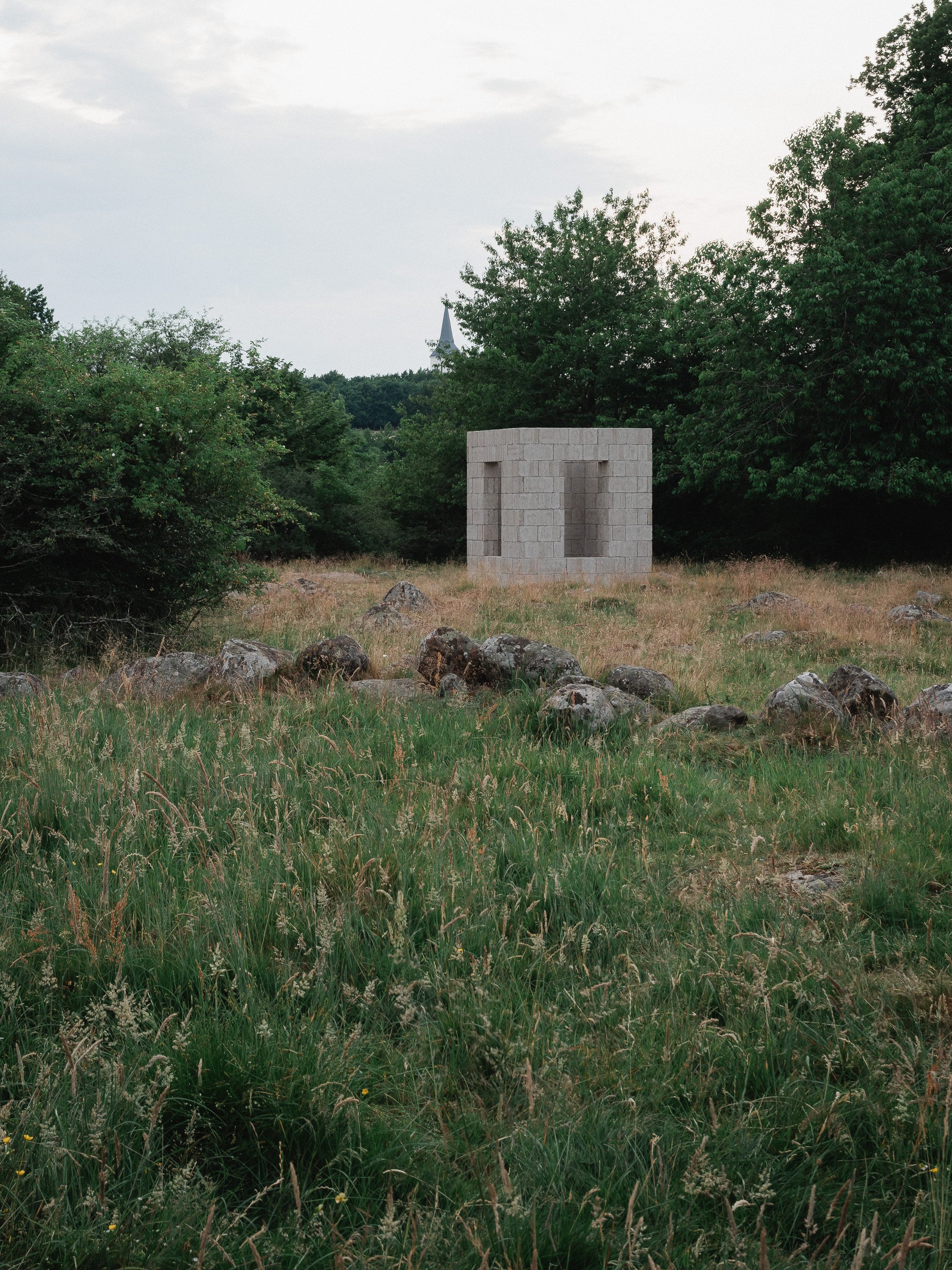
Kivik art center
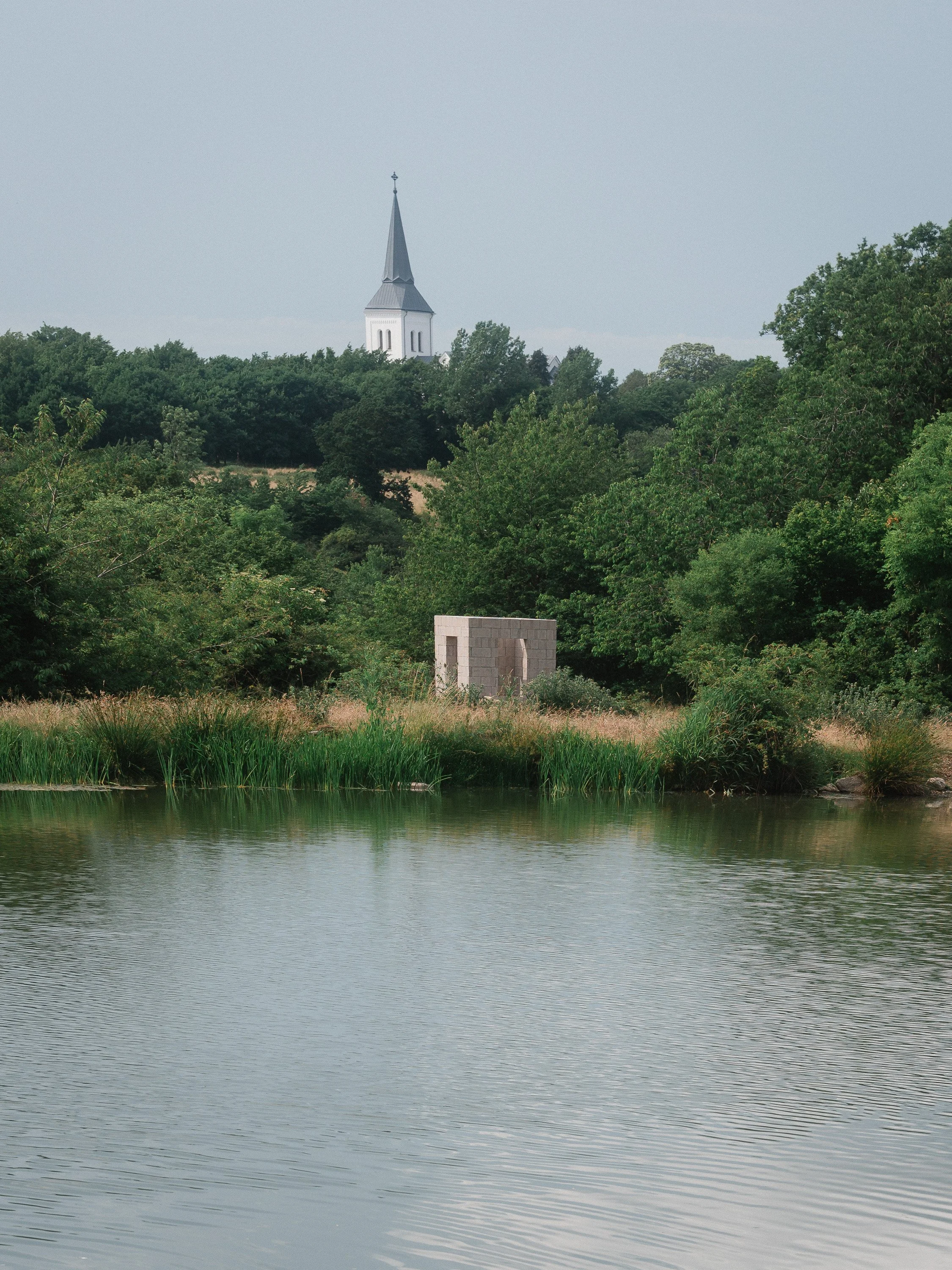
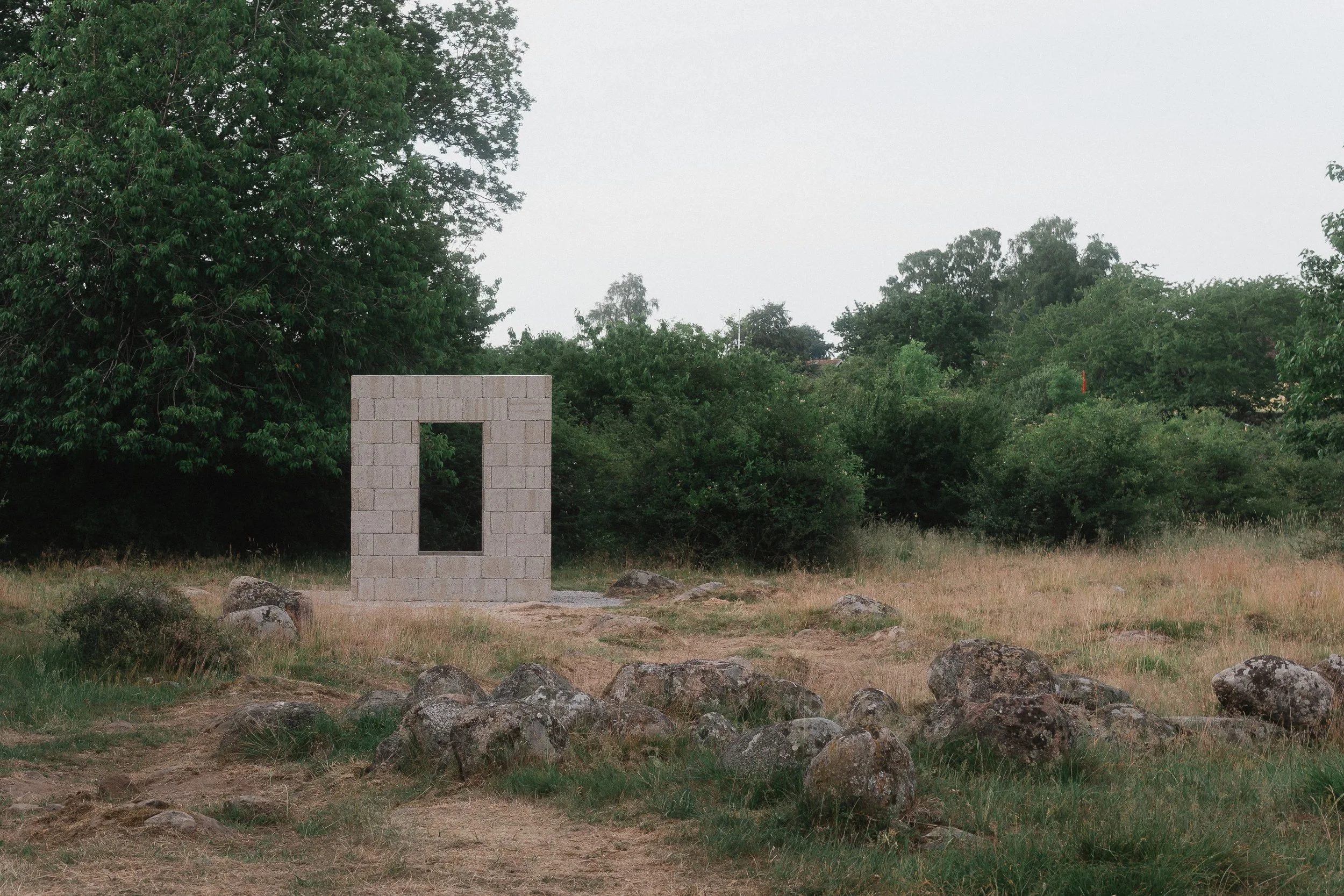
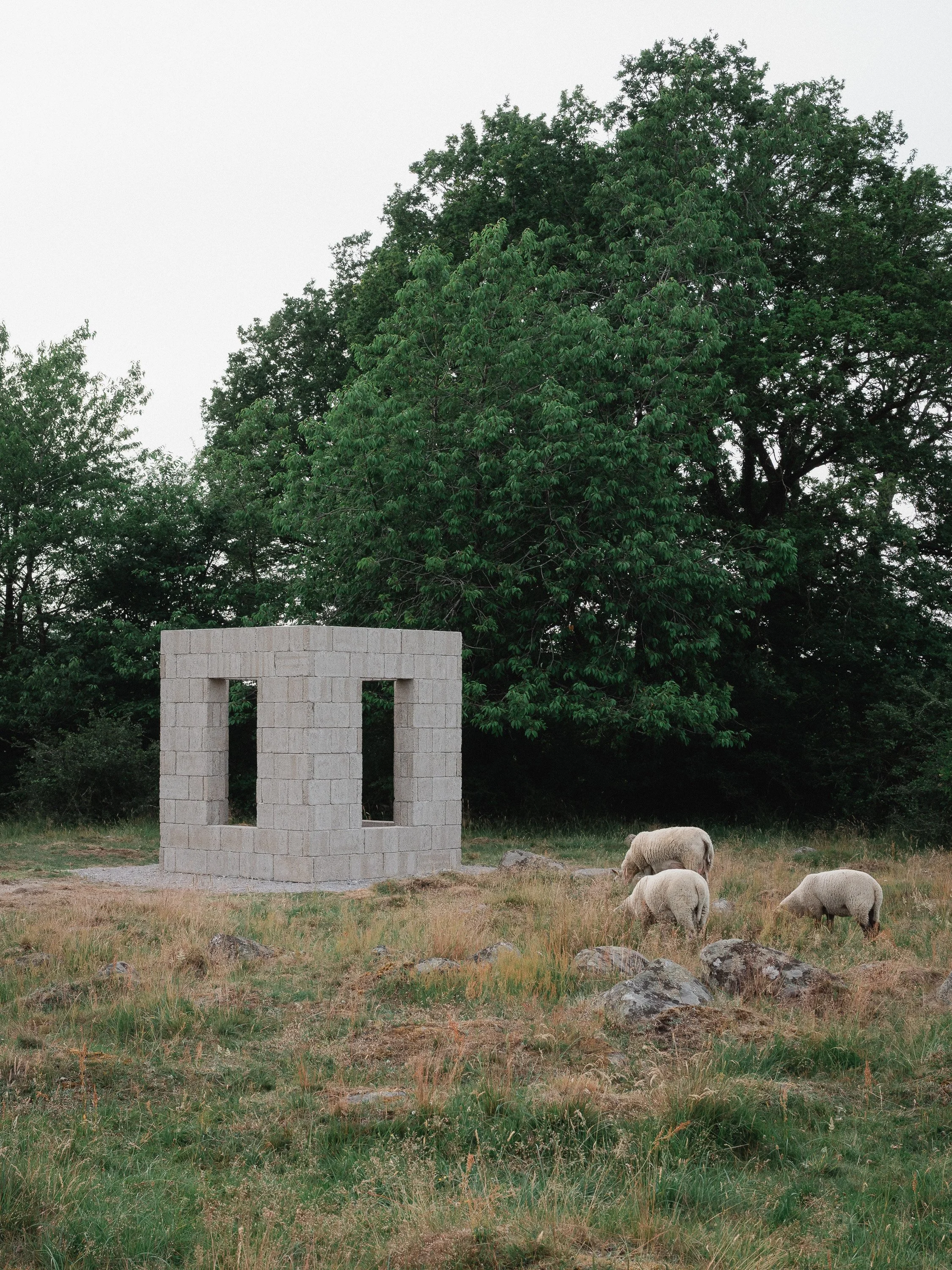
Named after the Cella — the innermost chamber of an ancient temple, a place of concentration and seclusion — the pavilion is conceived as both a room to enter and a body to rest against. It stands in the landscape "like a stone that has always been there," according to Pihl.
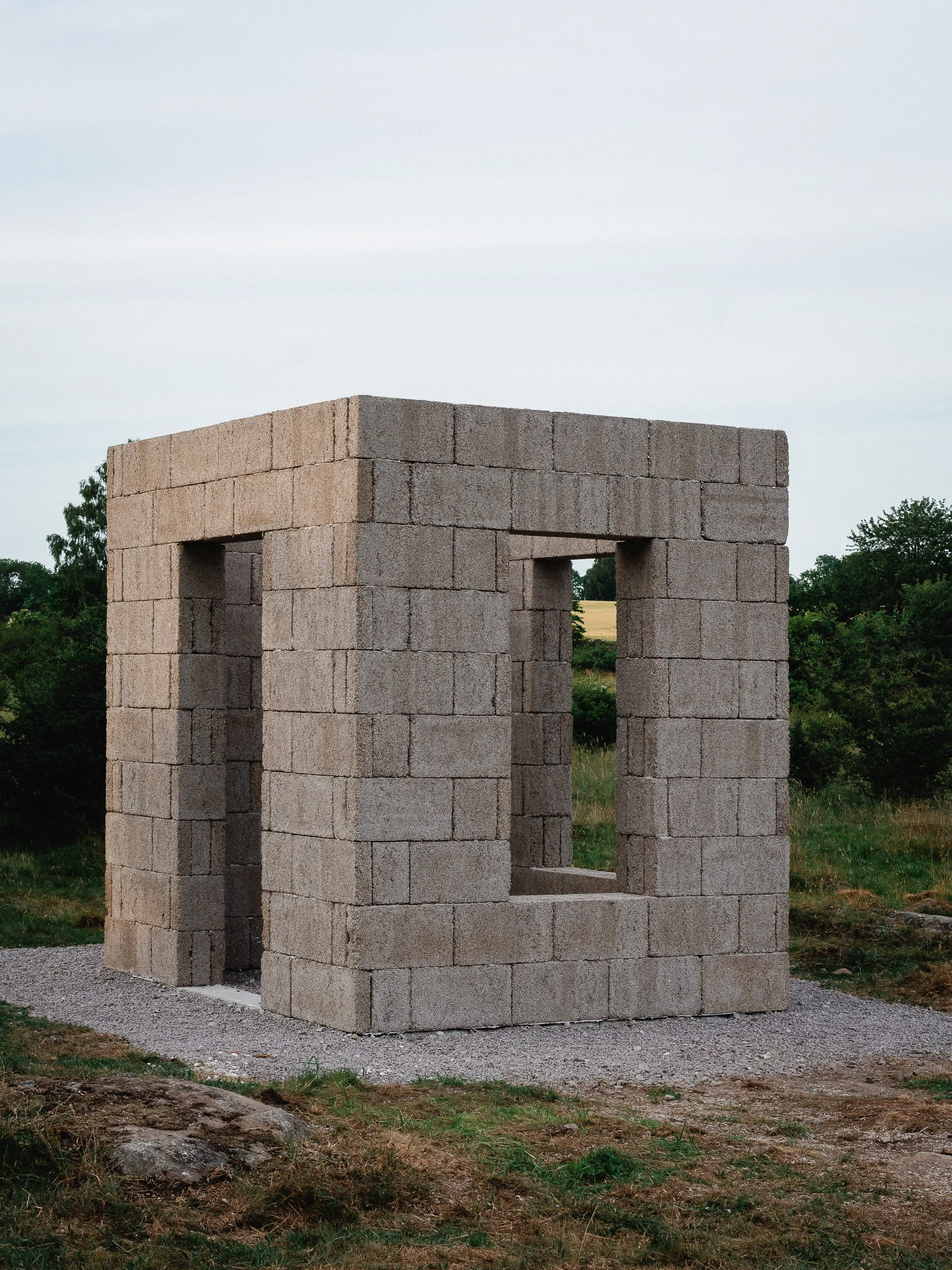
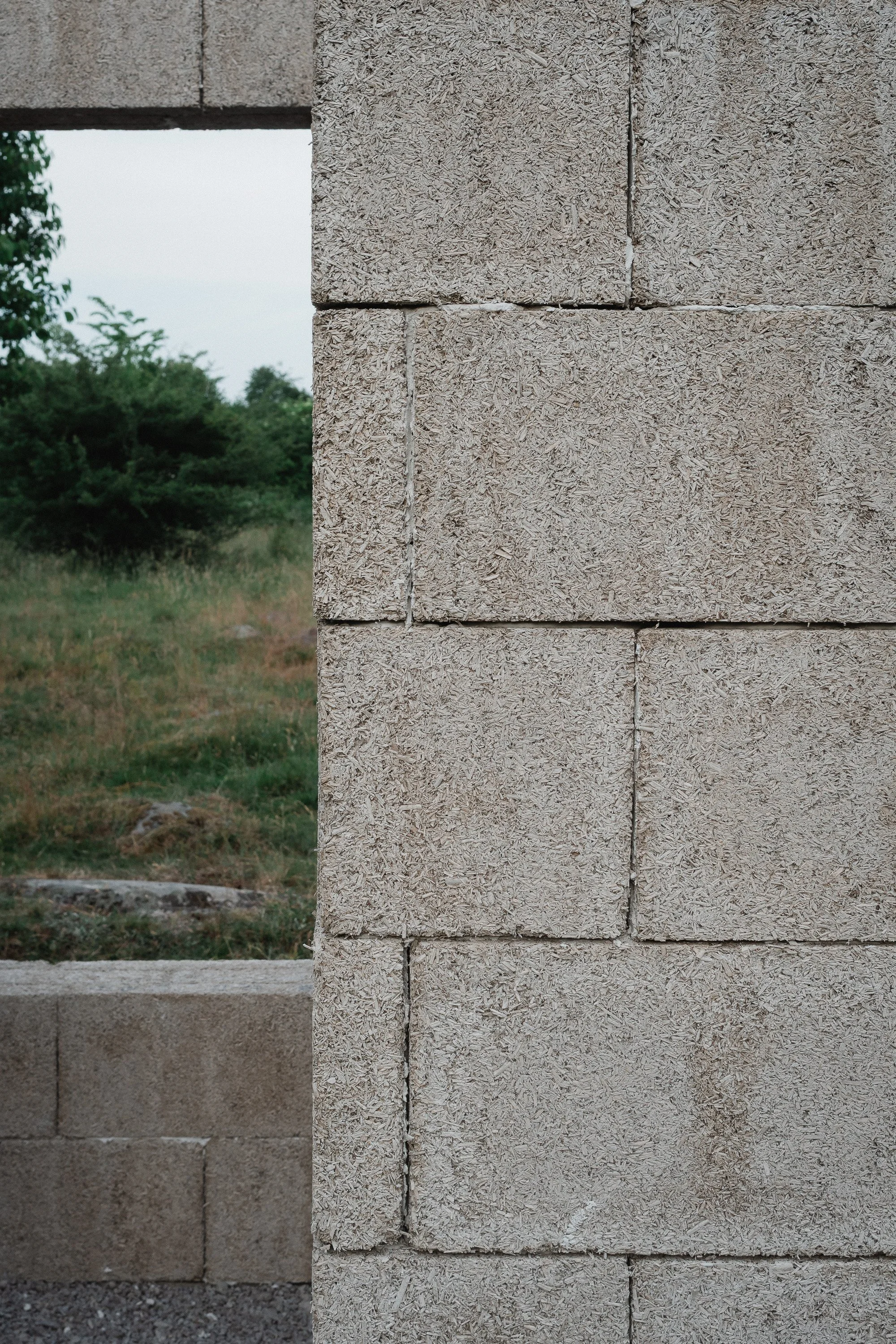
The walls are built from hemp-lime blocks, a bio-based material that binds carbon dioxide as it cures. Pihl left the surface raw, resisting the final smoothing layer that architecture usually demands. "There is a moment during construction when a building is at its most beautiful — just before the last layer goes on," he said. "That's the moment I tried to hold on to in Cella."
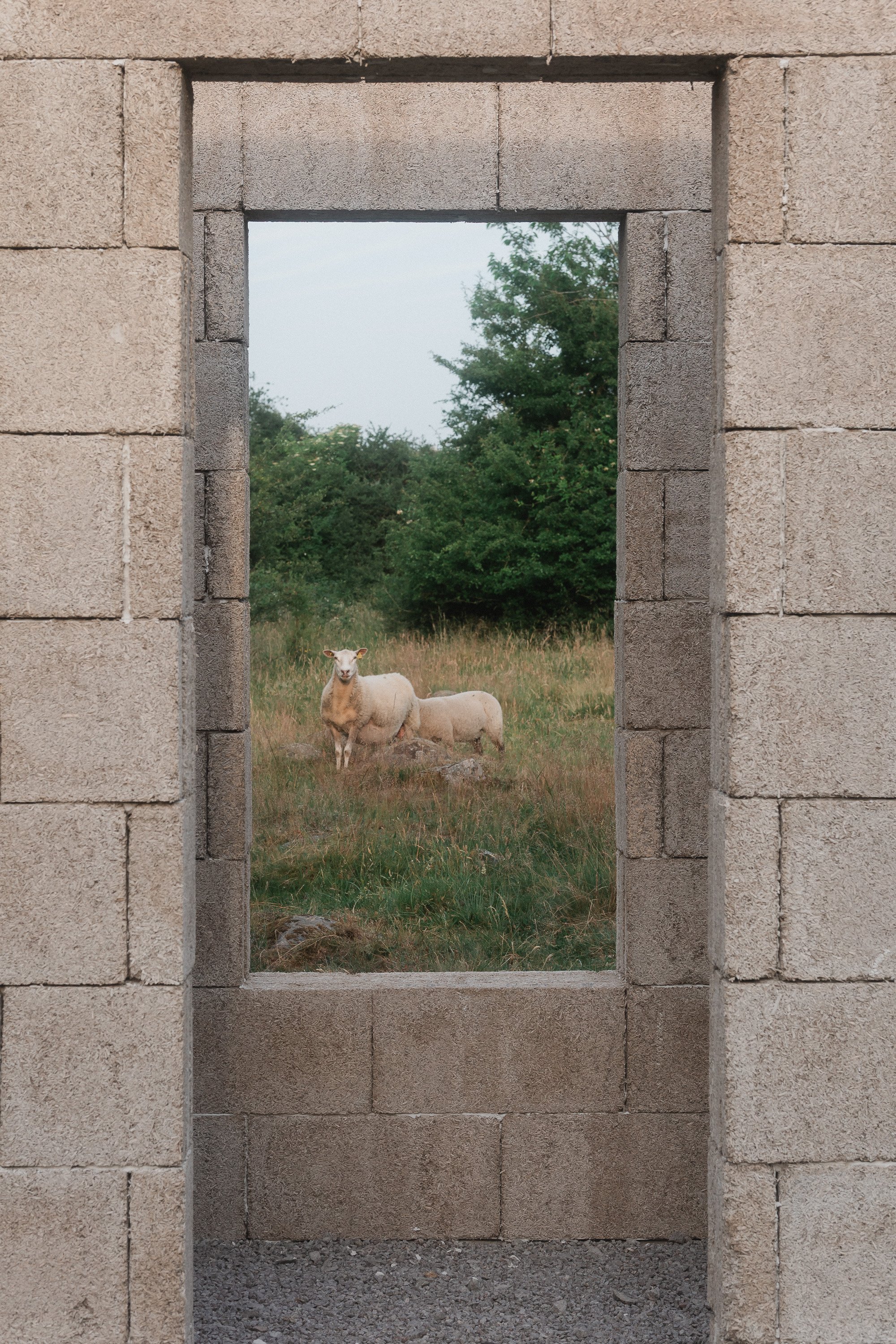
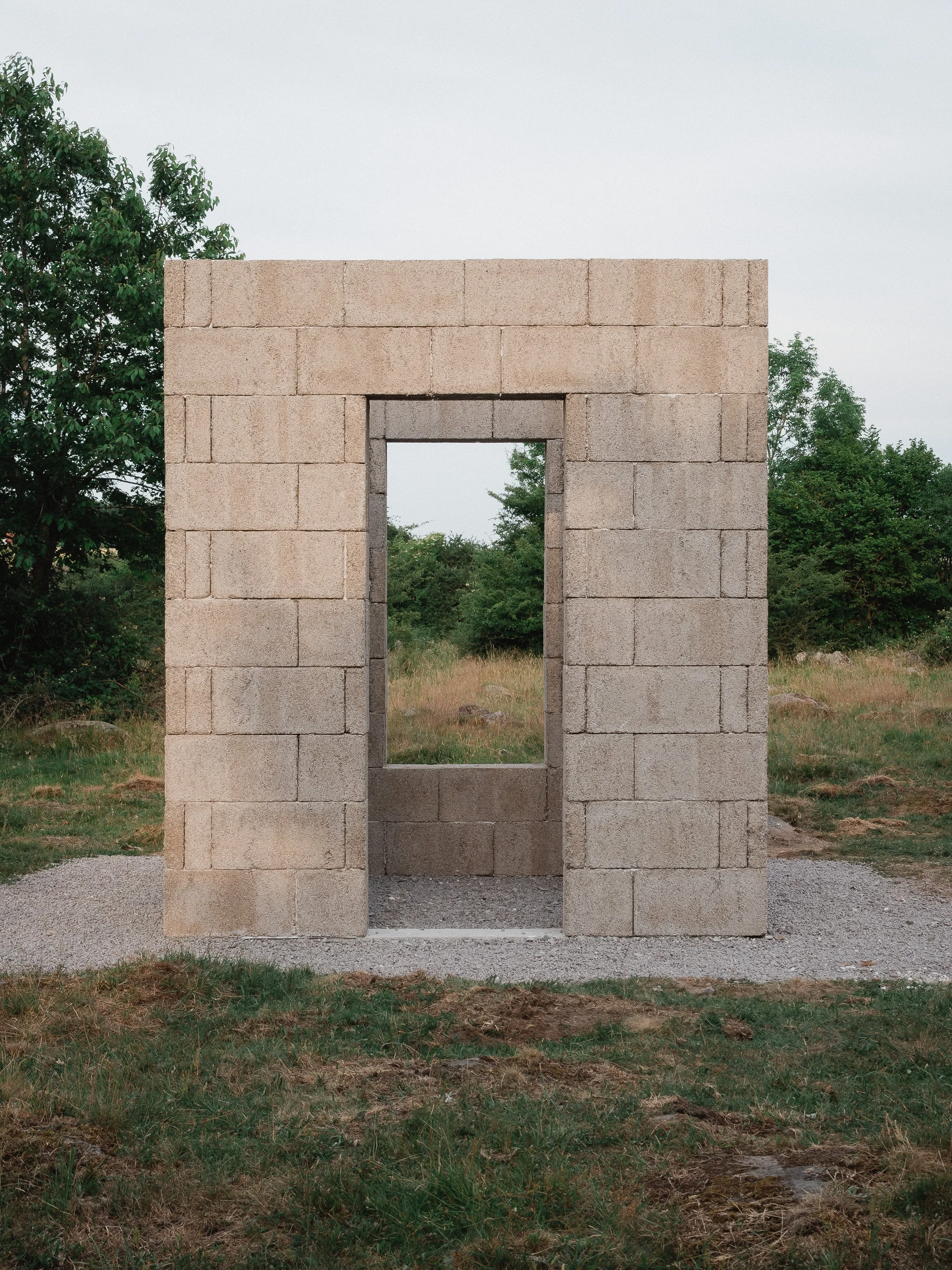
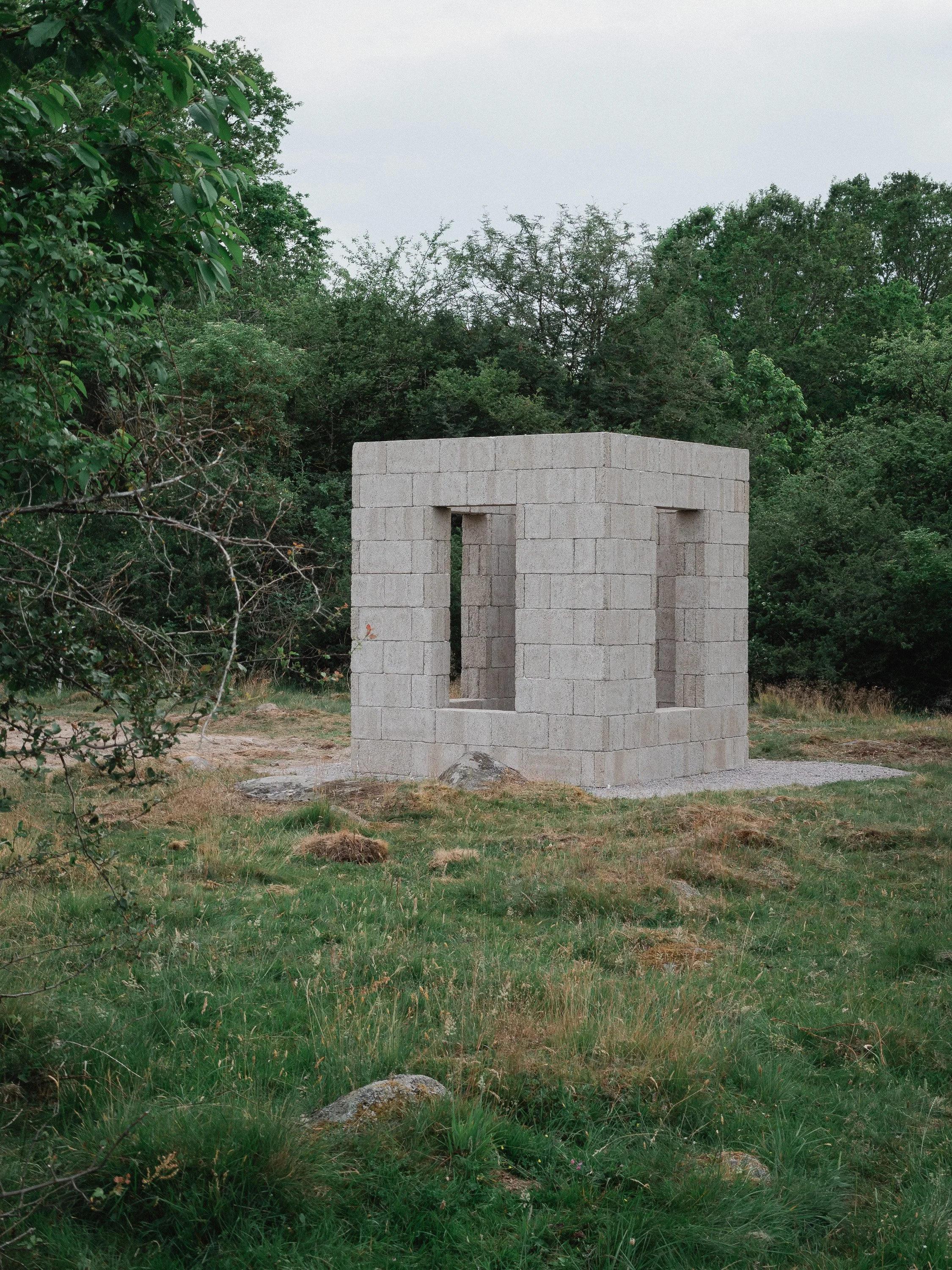
Four openings break through the walls, letting sky, trees and horizon pass straight through the room. Three rise as tall niches; the fourth drops to form an entrance portal — an invitation to linger.
For Pihl, the choice of raw hemp-lime blocks is less about climate performance than honesty. "The more a material shows what it truly is, the more honest the result becomes," he said, drawing a distinction between the raw and the careless: Cella is precisely made, every surface a deliberate choice.
The pavilion reflects the wider preoccupations of Pihl's practice, which works at the border between tradition and innovation — bio-based materials, careful transformation and the potential of overlooked, raw materials. "Material others reject often carries the most singular qualities." he said.
Cella is on show at Kivik Art Centre from 28 June to 27 September 2026.